Reliable Surface Movement for EXIM Cargo
Coordinating road and rail transportation for cargo moving between ports, facilities and final destinations.
International cargo movement does not end when a shipment reaches the port. The next leg, whether towards an inland facility, distribution centre or final destination, is an integral part of the overall logistics process.
King Star Freight coordinates surface transportation for EXIM cargo through contracted road and rail transportation service providers. The capability also extends to hazardous cargo movements, with transporters approved for the carriage of hazardous cargoes and registered with most chemical distribution facilities on the West Coast of India.
When Cargo Needs a Reliable Link Beyond the Port
The movement between a port and its next destination can involve different transport modes, cargo requirements and destination considerations. For EXIM shipments, the surface leg needs to connect smoothly with the wider international logistics movement.
For chemical and hazardous cargo in particular, the transportation network needs to be aligned with the requirements of the cargo and the facilities receiving it.
Road Transportation
Road movement provides the flexibility required to connect ports with inland destinations, distribution facilities and other cargo locations. King Star coordinates road transportation through contracted service providers.
Rail Transportation
Rail can form an important part of longer-distance cargo movement. King Star has contracts with rail transportation service providers to support EXIM cargo requirements where applicable.
EXIM Cargo Movement
The surface movement needs to fit into the wider import or export journey. Coordination between the international shipment, inland transportation and destination helps maintain continuity across the logistics chain.
Hazardous Cargo Transportation
Hazardous cargo requires transportation providers with the appropriate capability for its movement. King Star works with transporters approved for the carriage of hazardous cargoes.
West Coast Distribution Coverage
King Star's transport network includes service providers registered with most chemical distribution facilities on the West Coast of India, supporting movements involving these important cargo destinations.
From Port Movement to Final Destination
Understand the Cargo Movement
Establish the EXIM cargo requirement, including the origin, destination and transportation requirements associated with the shipment.
Determine the Surface Route
Consider the appropriate surface transportation requirement and whether road, rail or a combination of movement options is applicable.
Coordinate the Transport Provider
Arrange the movement through the relevant contracted road or rail transportation service provider.
Align With Cargo Requirements
For hazardous cargo, ensure the transportation arrangement is aligned with the requirements of the cargo and the approved transportation capability.
Connect Port & Destination
Coordinate the surface movement between the port, inland location or applicable distribution facility and the cargo's next destination.
Complete the Cargo Movement
Maintain coordination through the final stage of the planned transportation requirement, helping connect the surface movement with the wider EXIM logistics process.
Transportation Capabilities Built Around EXIM Cargo
Road Cargo Transportation
Coordination of road transportation for EXIM cargo moving between ports, inland destinations and applicable facilities.
Rail Cargo Transport
Access to contracted rail transportation service providers for cargo movements where rail forms part of the required surface logistics.
EXIM Cargo Movement
Transportation coordination for import and export cargo as it moves between international gateways and inland destinations.
Hazardous Cargo Transportation
Support for hazardous cargo movements through transporters approved for the carriage of hazardous cargoes.
Chemical Distribution Facility Connectivity
Transporters are registered with most chemical distribution facilities on the West Coast of India, supporting cargo movements involving these facilities.
Integrated Surface Logistics
Road and rail transportation requirements can be considered alongside the wider freight and logistics movement, helping connect the surface leg with the overall cargo journey.
Why Choose King Star?
Road & Rail Transportation Network
King Star has contracts with road and rail transportation service providers, allowing surface movement requirements to be coordinated according to the cargo and route.
Hazardous Cargo Capability
The transporters engaged by King Star are approved for the carriage of hazardous cargoes, supporting the requirements of specialised EXIM movements.
West Coast Chemical Distribution Coverage
Transporters are registered with most chemical distribution facilities on the West Coast of India, supporting cargo movements to and from these facilities.
Surface Transportation as Part of the Wider Journey
Rather than treating transportation as an isolated movement, King Star connects the surface leg with the broader EXIM logistics requirement.
When Your EXIM Cargo Needs More Than a Transporter
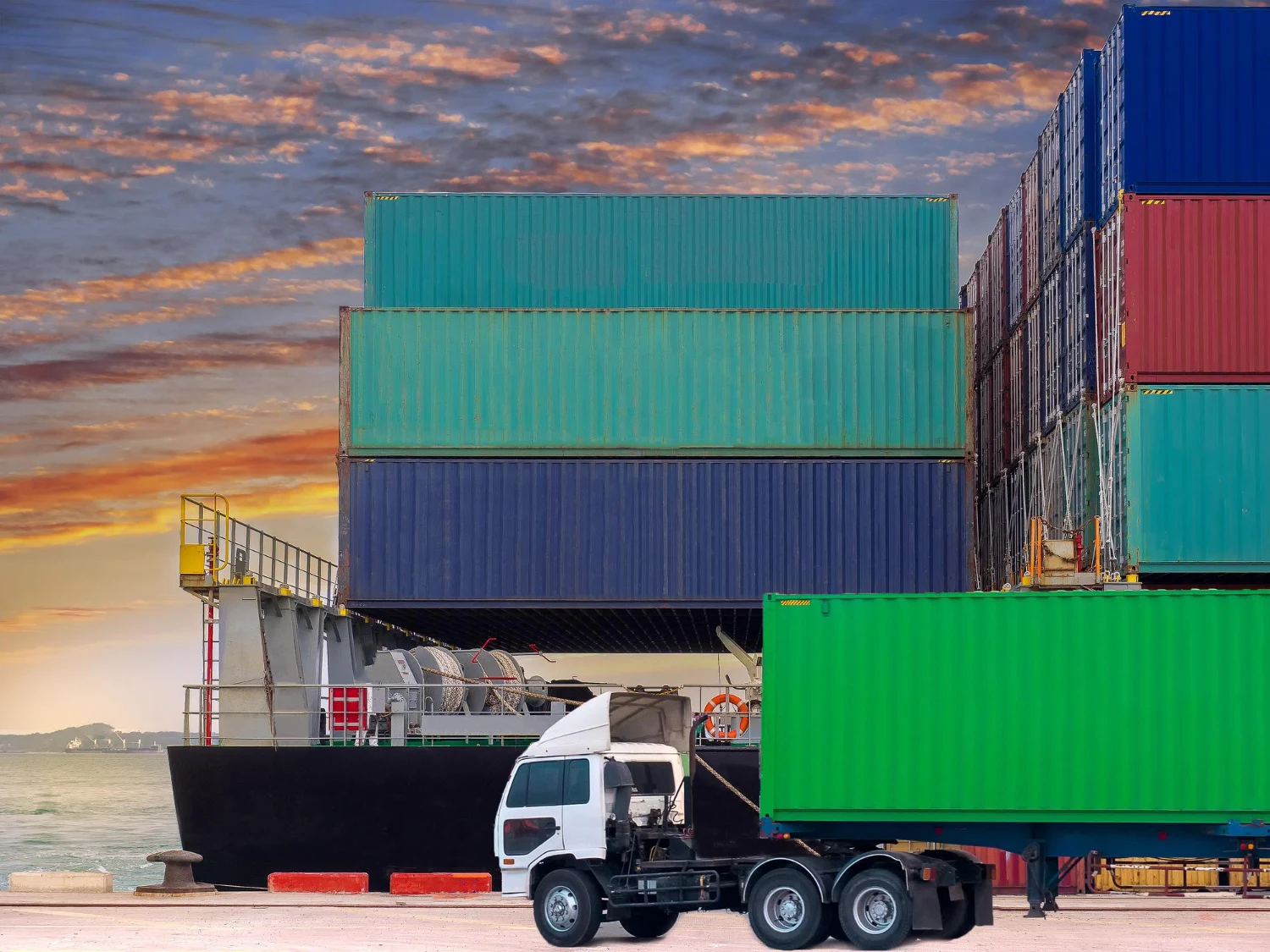
The transportation leg can have a direct impact on how smoothly an import or export shipment progresses after reaching the port. The right solution needs to consider the cargo, route, mode of transportation and destination together.
This capability can be relevant when you require:
- Road transportation for import or export cargo
- Rail transportation for suitable EXIM movements
- Cargo road transportation between ports and inland destinations
- Transportation for hazardous cargo
- Movement to or from chemical distribution facilities on the West Coast
- Surface transportation integrated with the wider logistics process
Keep Your EXIM Cargo Moving
Frequently Asked Questions
How is EXIM cargo transported from a port to an inland destination?
After cargo reaches the port, the onward movement can be arranged through road or rail transportation depending on the route, destination and cargo requirements. This surface leg connects the international shipment with an inland facility, distribution location or final destination.
- Road transportation can provide direct point-to-point movement.
- Rail can be considered for suitable longer-distance cargo movements.
- The transportation mode needs to align with the cargo and destination.
What is the difference between road cargo transport and rail cargo transport?
Road and rail provide different options for moving cargo over land. Road transportation offers greater flexibility for direct delivery between locations, while rail can be used as a surface transportation option for suitable routes and cargo movements.
- Road cargo transport can connect ports directly with inland locations.
- Rail can support suitable longer-distance movements.
- The choice depends on the cargo, route and destination requirements.
When is rail cargo transport used for EXIM shipments?
Rail cargo transport can be used when the route, cargo and destination are suitable for rail movement. It can form part of the inland transportation stage after an international shipment reaches a port or before export cargo reaches its international gateway.
- Rail can support inland cargo movement.
- Route and destination requirements influence suitability.
- Rail transportation can form part of a wider EXIM logistics plan.
How is hazardous cargo transported by road?
Hazardous cargo transportation requires suitable transportation arrangements and providers with the capability to carry such cargo. The specific requirements depend on the nature of the cargo and the applicable transportation conditions.
- Transporters need appropriate approval for hazardous cargo carriage.
- The cargo requirements should be considered when planning the movement.
- Transportation needs to be coordinated with the destination facility.
What is cargo transport logistics for EXIM shipments?
Cargo transport logistics covers the planning and coordination of the surface movement that connects an EXIM shipment with its next destination. It can involve road or rail transportation, route coordination and integration with the wider international cargo movement.
- Surface transportation connects ports with inland destinations.
- Road and rail can form part of the same broader logistics process.
- Cargo requirements influence the transportation arrangement.
What does cargo truck transport involve for import and export cargo?
Cargo truck transport involves moving EXIM cargo by road between locations such as ports, inland facilities, distribution centres and final destinations. The movement needs to be coordinated around the cargo type, route and destination requirements.
- Trucks can provide direct inland transportation.
- Road movement can connect different stages of an EXIM shipment.
- Hazardous cargo requires suitable approved transportation providers.
How does cargo transport by train work for EXIM cargo?
Cargo transport by train forms part of the inland transportation stage when rail is suitable for the cargo and route. Cargo can be moved from an international gateway towards an inland destination, where the rail movement may connect with other logistics arrangements.
- Rail can support inland movement from ports.
- The route and cargo determine whether rail is suitable.
- Additional surface transportation may be required at the destination.
What should businesses consider when choosing road cargo transportation services?
When comparing road cargo transportation services, businesses should consider more than vehicle availability. The provider's suitability for the cargo, route, destination and any specialised requirements can influence the effectiveness of the overall movement.
- Consider experience with the relevant type of cargo.
- Check suitability for hazardous cargo where applicable.
- Evaluate how well the road movement connects with the wider EXIM logistics process.