Freight Forwarding Services Built for Global Cargo
Connecting shipping lines, equipment, vessel space and documentation for seamless international cargo movement
International ocean freight involves more than securing a vessel for a shipment. Space availability, equipment access, shipping line coordination, documentation and the timing of import or export movements all influence how effectively cargo progresses through the logistics chain.
King Star Freight provides freight forwarding services for a select base of clients, supported by established tie-ups with shipping lines. These relationships provide access to equipment and space, including priority allotment during peak seasons, helping businesses coordinate their international cargo movements with greater planning and continuity.
When Ocean Freight Needs More Than a Booking
Ocean shipments pass through multiple stages before cargo reaches its destination. The forwarding process needs to connect the shipping line, available equipment, required space, documentation and cargo movement into one coordinated operation.
For businesses managing regular import and export movements, having a forwarding partner that understands these connected requirements can make the difference between simply arranging freight and managing the shipment more effectively.
Shipping Line Coordination
King Star maintains strong working relationships with established shipping lines to support international ocean freight operations. These associations help coordinate vessel bookings, shipping schedules and cargo requirements, providing businesses with access to reliable shipping arrangements across international trade routes.
Equipment & Space Access
Availability of container equipment and vessel space can fluctuate with seasonal demand and changing shipping volumes. Through its shipping line tie-ups, King Star facilitates access to equipment and space allotments, including priority allocation during peak seasons, helping businesses plan shipments and manage capacity requirements more effectively.
Import & Export Forwarding
King Star supports both import and export freight forwarding requirements, coordinating the arrangements involved in moving cargo across international markets. From shipment planning and vessel bookings to coordination with shipping lines and other logistics partners, the forwarding process is aligned with the cargo, destination and applicable trade requirements.
Cargo Movement Coordination
Effective ocean freight forwarding requires coordination between cargo readiness, shipping arrangements and transportation schedules. King Star facilitates communication between the relevant parties to coordinate cargo movement from its point of origin through the international shipping journey, helping businesses maintain better control over shipment progress and logistics requirements.
Documentation Coordination
Accurate documentation is essential for smooth international freight movement. King Star coordinates the relevant shipping and transport documentation, including shipping instructions and applicable cargo details, with the concerned parties. This helps maintain consistency between shipment information, shipping arrangements and documentation requirements throughout the ocean freight forwarding process.
From Freight Requirement to Ocean Movement
Understand the Shipment
Establish the cargo movement, origin, destination and forwarding requirements before coordinating the ocean freight arrangement.
Coordinate Shipping Line Options
Engage with relevant shipping line relationships to identify the appropriate forwarding and space requirements for the movement.
Plan Equipment & Space
Coordinate equipment and vessel space according to the shipment requirements, with access supported through established shipping line tie-ups.
Prepare the Documentation
Coordinate the required forwarding and shipment documentation so that the paperwork progresses alongside the cargo movement.
Confirm the Ocean Movement
Bring the shipping line, equipment, space and cargo requirements together to establish the planned ocean freight movement.
Coordinate the Shipment
Maintain coordination around the cargo movement as it progresses through the international ocean freight process.
Capabilities Behind Our Ocean Freight Forwarding
Shipping Line Coordination
Established relationships with shipping lines support the coordination of ocean freight requirements for international cargo movements.
Space Allocation
Access to shipping line relationships supports the allotment of vessel space, including priority allotment during peak seasons.
Equipment Access
Equipment availability is an important part of international forwarding. King Star's shipping line tie-ups support access to required equipment for applicable cargo movements.
Import Forwarding
Coordination of ocean freight requirements for import cargo moving from international origins towards its destination.
Export Forwarding
Forwarding support for export cargo moving from its origin towards international markets through ocean freight.
Cargo Movement Coordination
Coordination between the cargo, shipping line and forwarding requirements to keep the international movement organised.
Documentation Coordination
Support for the documentation requirements associated with the forwarding and movement of international cargo.
Why Choose King Star?
Established Shipping Line Tie-Ups
King Star has established tie-ups with shipping lines to support the ocean freight requirements of its select client base.
Priority Space & Equipment During Peak Seasons
During peak seasons, these relationships support priority allotment of equipment and space, addressing two important requirements in international ocean freight.
Import & Export Forwarding Capability
The forwarding service supports both import and export cargo movements, with coordination across the international freight process.
A Connected Forwarding Approach
King Star brings together shipping line coordination, equipment, space, cargo movement and documentation rather than treating freight booking as an isolated activity.
When Your Ocean Freight Needs a Stronger Forwarding Partner
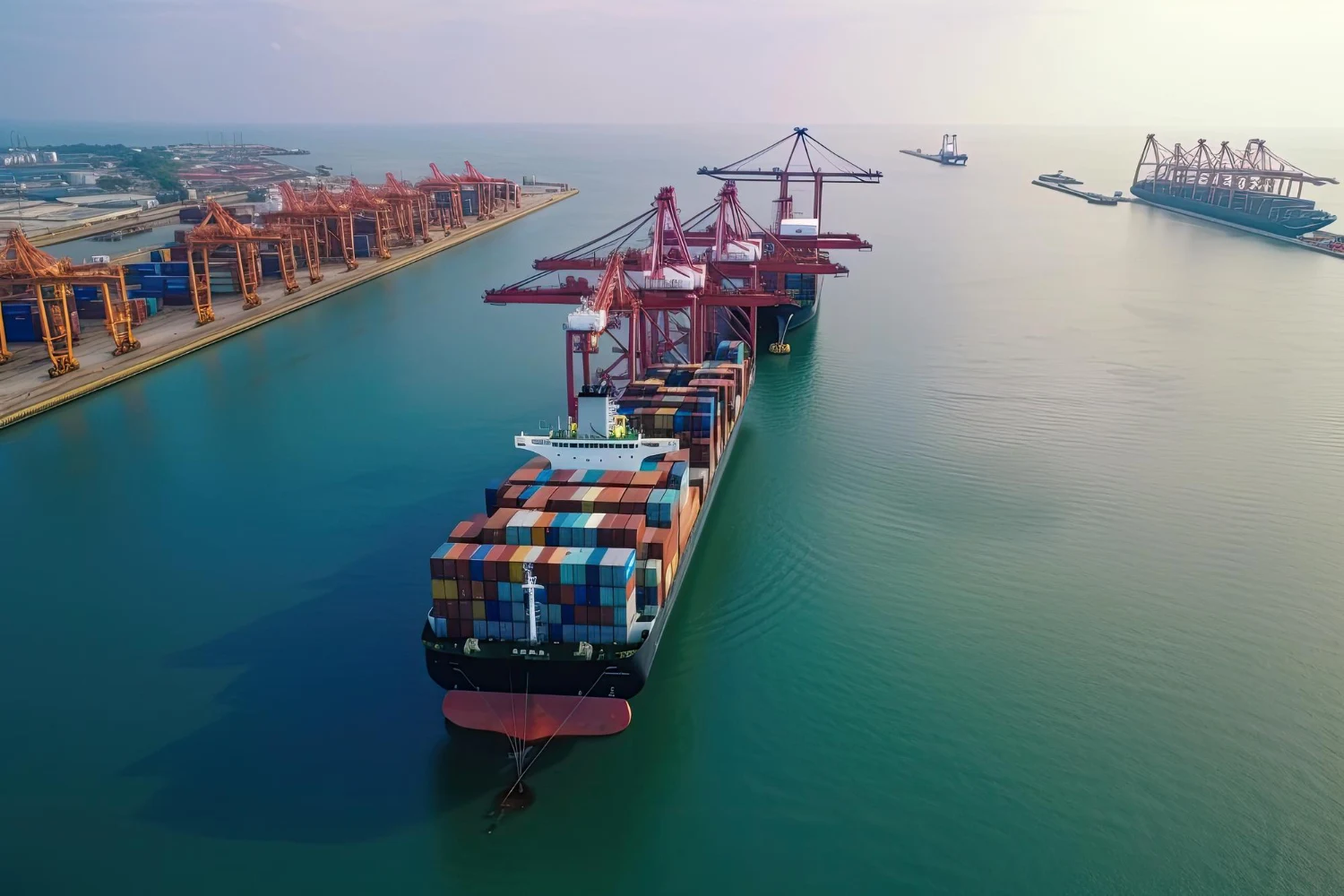
Ocean freight can become more challenging when space and equipment are constrained or when multiple shipment requirements need to be coordinated simultaneously. Businesses with recurring international cargo movements may benefit from a forwarding approach that considers these requirements together.
This capability can be relevant when you require:
- Import or export freight forwarding services
- Ocean freight coordination with shipping lines
- Equipment and vessel space access
- Forwarding support during peak shipping periods
- Cargo movement and documentation coordination
- International ocean freight for recurring cargo movements
- A forwarding partner with established shipping line relationships
For businesses evaluating an ocean freight forwarder, the ability to coordinate space, equipment and shipping line requirements can be an important consideration.
Move Your Cargo Across Global Ocean Routes
Frequently Asked Questions
What is ocean freight forwarding and how does it work?
Ocean freight forwarding involves coordinating the movement of cargo through international sea transportation, including shipping arrangements, equipment, space and documentation. A forwarding process connects the cargo requirement with the practical arrangements needed to move the shipment through the ocean freight network.
- Shipping line coordination forms part of the forwarding process.
- Equipment and vessel space need to be arranged for the shipment.
- Documentation needs to progress alongside the cargo movement.
What is the role of an ocean freight forwarder?
An ocean freight forwarder coordinates the different requirements involved in moving cargo by sea. Depending on the shipment, this can include shipping line coordination, space and equipment arrangements, documentation and cargo movement planning.
- The forwarder connects the cargo with the shipping arrangement.
- Equipment and space can be coordinated according to the shipment.
- Documentation forms part of the overall forwarding process.
How do shipping line relationships help during peak season?
During peak periods, vessel space and equipment can become more difficult to secure. Established shipping line relationships can support access to these resources, helping forwarding arrangements remain better aligned with the shipment requirement. King Star's shipping line tie-ups provide priority allotment of equipment and space during peak seasons.
- Space availability can become more constrained during high-demand periods.
- Equipment availability can affect shipment planning.
- Shipping line relationships can support access to required resources.
What is the difference between sea freight forwarding services and ocean freight shipping?
Sea freight forwarding services involve coordinating the logistics requirements surrounding an ocean shipment, while ocean freight shipping refers more specifically to the transportation of cargo by sea. Forwarding can therefore include activities such as space, equipment and documentation coordination around the actual sea movement.
- Ocean shipping provides the transportation mode.
- Forwarding coordinates the requirements around the shipment.
- Both can form part of an international cargo movement.
How is equipment secured for ocean freight shipments?
Equipment is generally coordinated according to the cargo and shipping requirements through the relevant shipping line or forwarding arrangements. Availability can become particularly important during peak periods, which is why established shipping line relationships can support better access to equipment.
- Equipment requirements depend on the shipment.
- Availability can vary according to market demand.
- King Star's shipping line tie-ups support priority equipment allotment during peak seasons.
What documents are required for ocean freight forwarding?
The documentation required can vary according to the type of shipment, origin, destination and applicable import or export requirements. Documentation coordination is therefore an important part of keeping the forwarding process aligned with the cargo movement.
- Shipment-specific documentation needs to be prepared and coordinated.
- Import and export movements can have different requirements.
- Documentation should progress alongside the planned ocean movement.
How do businesses choose the right ocean freight forwarding companies?
When comparing ocean freight forwarding companies, businesses should consider the provider's ability to coordinate shipping lines, equipment, space and documentation rather than looking only at the freight rate. Access to shipping line relationships can also become important during periods of constrained capacity.
- Consider shipping line relationships and available space.
- Evaluate equipment access and forwarding capabilities.
- Review how documentation and cargo movement are coordinated.
What should businesses look for in freight forwarding services for regular shipments?
Businesses with recurring shipments should consider whether the forwarding provider can support consistent access to shipping arrangements, equipment and space while coordinating documentation and cargo movements. King Star's freight forwarding services are supported by shipping line tie-ups designed to serve its select client base.
- Look at shipping line access and equipment availability.
- Consider support during peak shipping periods.
- Evaluate the provider's ability to coordinate the complete forwarding process.