Coordinating documentation, customs requirements, transportation and delivery through one connected logistics process.
Getting cargo through customs is only one stage of the logistics journey. Documentation, statutory licence requirements, customs coordination and transportation all need to come together before an import or export shipment can reach its next destination.
King Star Freight provides integrated customs clearance services alongside transportation and delivery coordination, helping businesses manage clearance-related requirements and the movement that follows. Where applicable, a single-window approach brings shipment information together to provide greater visibility across the logistics process.
When Clearance Is Only One Part of the Shipment
Customs clearance sits at a critical point in the movement of import and export cargo. Delays or gaps in documentation, statutory requirements or coordination can affect what happens after the cargo reaches the port or customs location.
That is why effective clearance support needs to connect with the wider logistics movement. By bringing documentation, customs consultancy, clearance coordination and transportation together, businesses can manage the shipment through a more connected process.
Import Customs Clearance
Support for import shipments through the documentation, customs coordination and clearance requirements associated with bringing cargo into the country.
Export Customs Clearance
Coordination of export-related customs requirements and documentation to support the movement of cargo towards its international destination.
Documentation & Statutory Licence Support
Coordination of import and export documentation, along with applicable statutory licences required for cargo clearance and regulatory compliance.
Customs Consultancy
Guidance on shipment-specific customs requirements, applicable procedures and relevant schemes to help businesses navigate the clearance process.
Transportation & Delivery Integration
Coordination of transportation and onward delivery following customs clearance, connecting the clearance stage with the cargo's next destination.
From Documentation to Delivery, One Connected Process
Understand the Shipment
Establish the import or export movement and understand the documentation, customs and transportation requirements associated with the cargo.
Prepare the Documentation
Coordinate the standard documentation required for the clearance process and identify applicable statutory licence requirements.
Coordinate Customs Requirements
Manage the clearance process and coordinate the relevant customs-related requirements and consultancy needs associated with the shipment.
Complete the Clearance
Coordinate the necessary activities through the clearance stage, keeping shipment requirements connected with the next movement.
Arrange Transportation
Integrate transportation requirements after customs clearance so the cargo can move towards its intended destination.
Complete the Delivery
Coordinate the final movement and delivery, providing continuity between customs clearance and the next stage of the supply chain.
The Capabilities Behind Connected Customs & Delivery
Import Customs Clearance
Coordination of customs clearance requirements for import cargo, supported by the relevant documentation and operational requirements.
Export Customs Clearance
Support for export shipments through the customs documentation and coordination required before cargo proceeds towards its international destination.
Documentation Support
Coordination of standard documentation and operational requirements associated with the customs clearance process.
Statutory Licence Support
Assistance with coordinating required statutory licences for applicable import and export movements, based on shipment requirements.
Customs Consultancy
Consultancy and coordination for customs-related schemes, procedures and requirements relevant to the shipment.
Transportation Integration
Connecting customs clearance with transportation requirements so cargo can continue towards its next destination.
Delivery Coordination
Coordination of the final movement of cleared cargo to its intended destination, supporting continuity beyond customs clearance.
Single-Window Visibility
Where applicable, bringing shipment-related information together through a single-window approach to improve visibility across the connected logistics process.
Why Choose King Star?
Clearance Connected to Transportation
King Star brings customs clearance services and transportation together, helping businesses coordinate activities during clearance and manage the cargo's onward movement.
Import & Export Support
King Star supports both import and export customs clearance requirements, including the coordination of documentation and applicable statutory licences for relevant shipments.
Customs Consultancy & Coordination
Beyond operational clearance, King Star provides consultancy and coordination for customs-related schemes, procedures and requirements relevant to the shipment.
A Single-Window Logistics Approach
Where applicable, bringing shipment-related information together through a single-window approach helps clients maintain greater visibility and oversight across the connected logistics process.
When Your Shipment Needs More Than a Clearance Agent
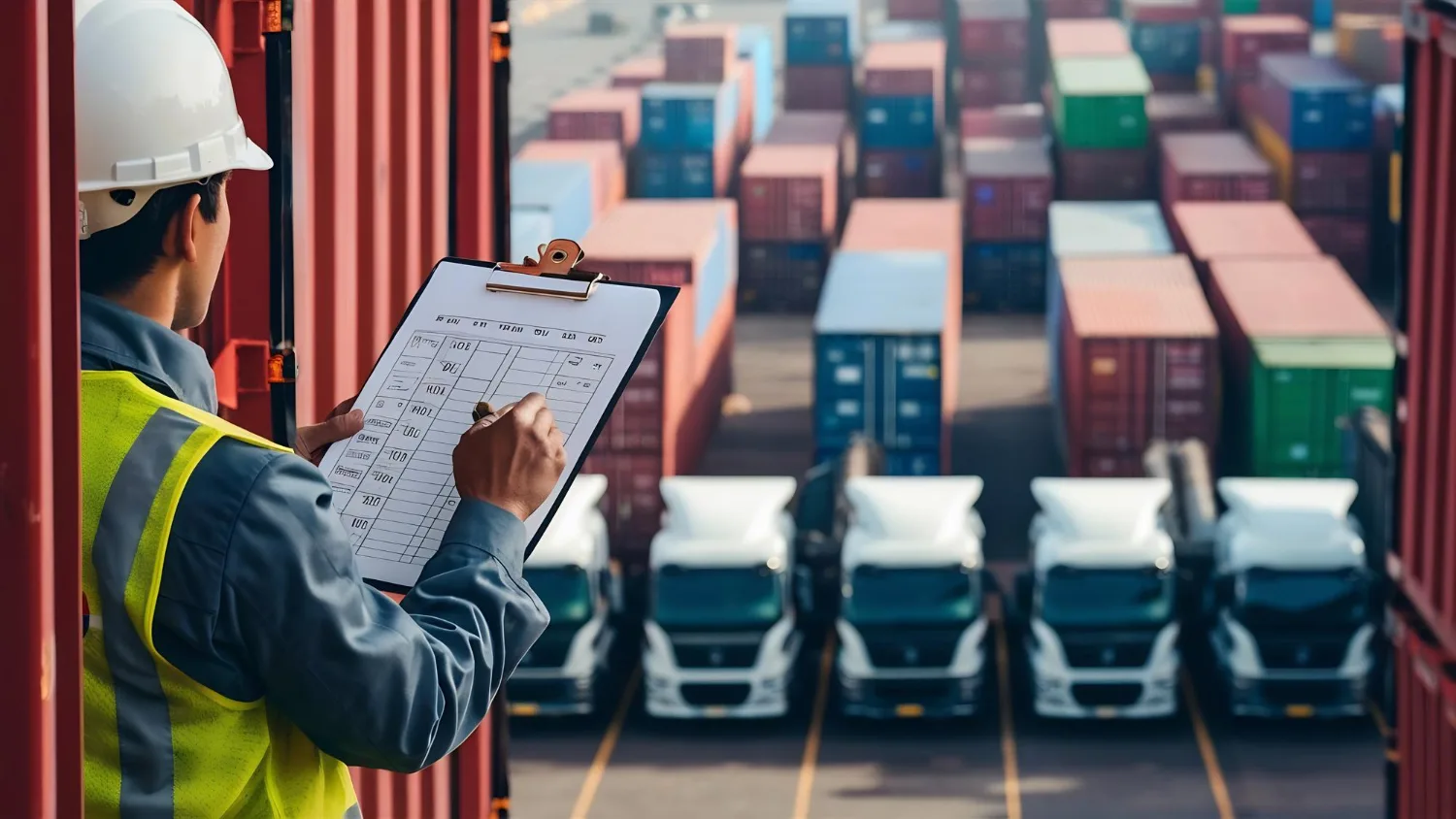
Customs clearance becomes significantly more useful when it connects directly with the movement of the cargo. Businesses handling regular import or export shipments may benefit from a logistics approach that brings clearance and transportation into the same operational flow.
This capability can be relevant when you require:
- Liquid chemicals transported through ISO Tanks or Flexi Tanks
- Shipper-Owned ISO Tank Fleets across multiple locations
- International shipments requiring round-trip equipment coordination
- Multiple tanks requiring inventory management and track and trace
- Statutory inspections and surveys as part of fleet operations
- Freight movements requiring coordination with shipping lines
- Technical requirements related to ISO Tank logistics
Move Beyond Clearance
Frequently Asked Questions
What is customs clearance and why is it required for import and export cargo?
Customs clearance is the process through which import or export cargo is processed against the applicable customs requirements before it can proceed to the next stage of its movement. It involves documentation, coordination and other requirements relevant to the shipment.
- Import and export shipments have different clearance requirements.
- Documentation forms an important part of the clearance process.
- Clearance needs to connect with the cargo's onward movement.
What documents are generally required for import customs clearance?
The documentation required for import customs clearance can vary depending on the nature of the cargo, shipment and applicable requirements. Ensuring that the relevant documentation is available and properly coordinated is an important part of the clearance process.
- Standard shipment documentation may be required.
- Additional documentation can depend on the cargo and applicable requirements.
- Statutory licences may be relevant for certain shipments.
How does export customs clearance work?
Export customs clearance involves coordinating the documentation and customs-related requirements that need to be addressed before cargo can proceed towards its international destination. The exact process can vary according to the shipment and applicable requirements.
- Export documentation needs to be coordinated before clearance.
- Applicable statutory requirements should be identified.
- Clearance needs to align with the planned export movement.
What is the difference between customs clearance and customs consultancy?
Customs clearance focuses on coordinating the requirements necessary to process a shipment through customs, while customs consultancy involves guidance and coordination around customs-related schemes and requirements. Both can form part of a broader logistics support framework.
- Clearance focuses on processing the shipment.
- Consultancy addresses relevant customs requirements and schemes.
- The two functions can work together depending on the shipment.
How can customs clearance services be integrated with transportation?
Customs clearance services can be integrated with transportation by planning the cargo's onward movement alongside the clearance process. This creates continuity between the point where the cargo completes customs formalities and the next stage of its journey.
- Transportation can be planned around the expected clearance movement.
- Delivery requirements can be coordinated in advance.
- Clearance and cargo movement can be managed as connected stages.
What is sea freight customs clearance?
Sea freight customs clearance refers to the customs process associated with cargo arriving or departing through a seaport.
It typically involves coordinating the required documentation and customs requirements before the cargo can proceed to its next stage.
- Documentation needs to be aligned with the sea shipment.
- Clearance coordination takes place around the port movement.
- Transportation can be arranged for the cargo after clearance.
How can businesses choose the right custom clearance service providers?
When evaluating custom clearance service providers, businesses should consider whether the provider can address the clearance requirements while also supporting the wider logistics movement. The ability to connect documentation, customs coordination and transportation can help create a more streamlined process.
- Consider experience with the relevant type of shipment.
- Review the scope of documentation and statutory support.
- Check whether transportation and delivery can be coordinated alongside clearance.
What is a single-window approach to customs and logistics?
A single-window approach brings relevant shipment information and connected logistics activities together through one coordinated framework. Where applicable, this can give businesses greater visibility into the status of their clearance and subsequent transportation requirements.
- Shipment information can be consolidated in one place.
- Clearance and transportation can be viewed as connected activities.
- Greater visibility can support better shipment control.